Chapters Three & Four
Large-format laser projection
Paul's central invention was large-format video projection that used lasers as its light source — supporting very large images, long throws, and an unusually deep field of focus.
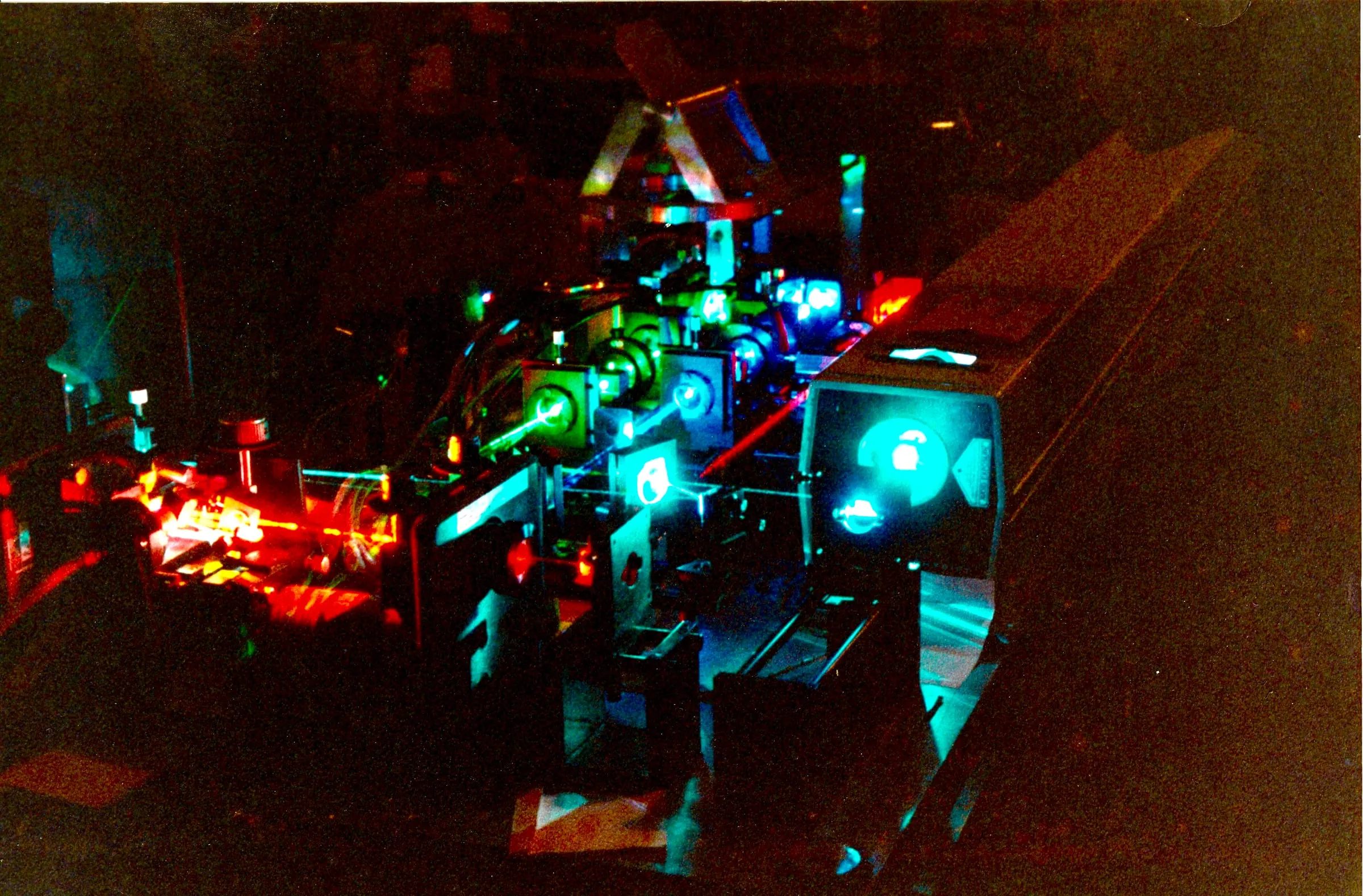
This is a different thing from a laser that merely reads video off a disc. Paul's invention used lasers to create and cast the image itself — the light source of the picture, not just a way to play it back.
Why lasers
A conventional projector uses a lamp and a lens, and its image dims and softens as it grows. Laser light is coherent and tightly controllable, so a laser-illuminated projector can support very large images, long projection distances, high brightness, a very wide color palette, a very high contrast ratio, and a large depth of focus across the projection surface — useful for screens that are big, curved, or irregular. Red, green, and blue laser sources are converged and modulated to build a full-color picture, then scanned and steered onto the screen.
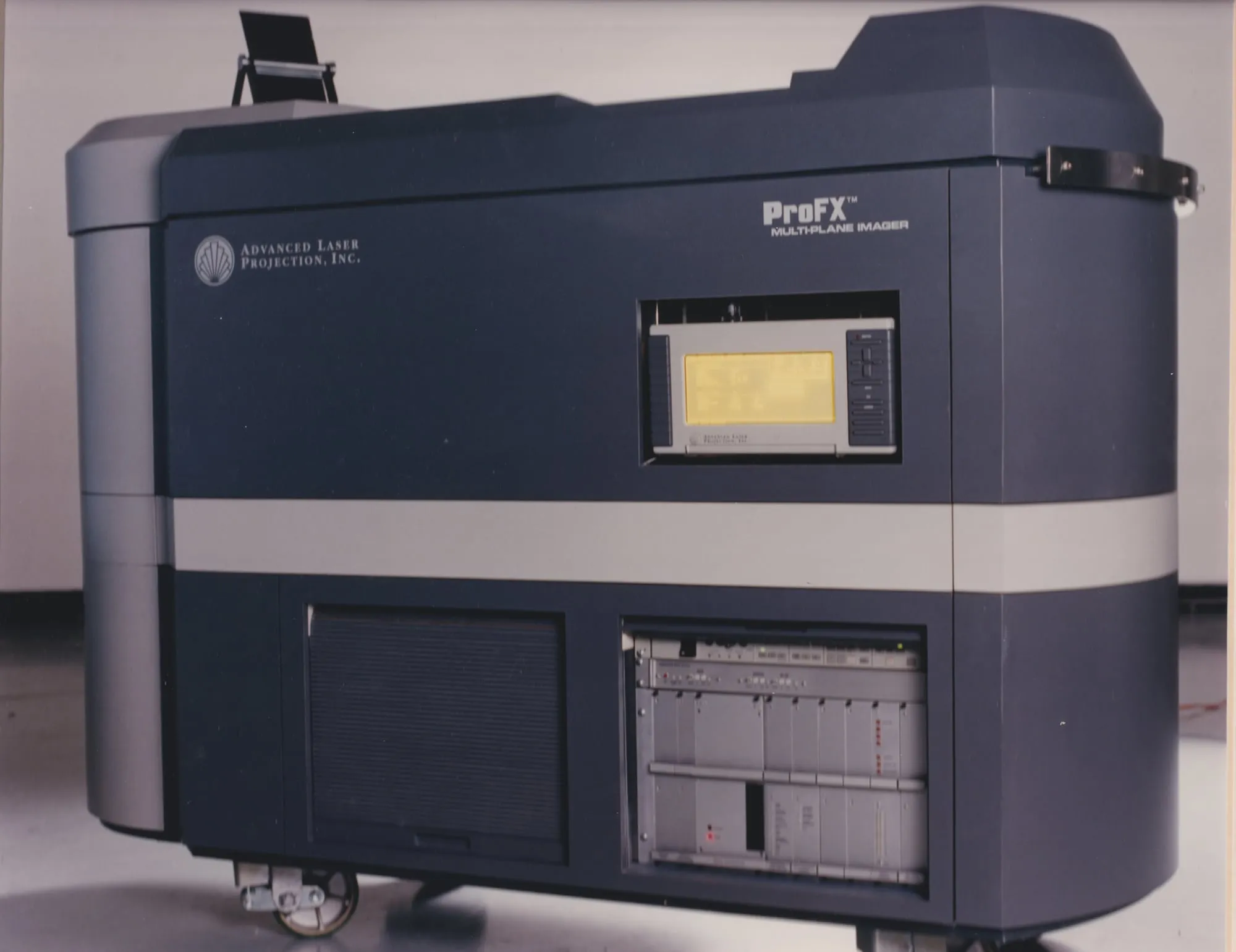
Paul built this work at Advanced Laser Projection and continued it through Linden Laser Systems, in the ProFX and Taurus multi-plane imagers and the Stingray II projector.
Watch
The laservideo demo reel
Paul's own reel of the Linden Laser Systems laservideo projector — full-color laser video projected onto screens, surfaces, and more.
The patents
Two documented inventions
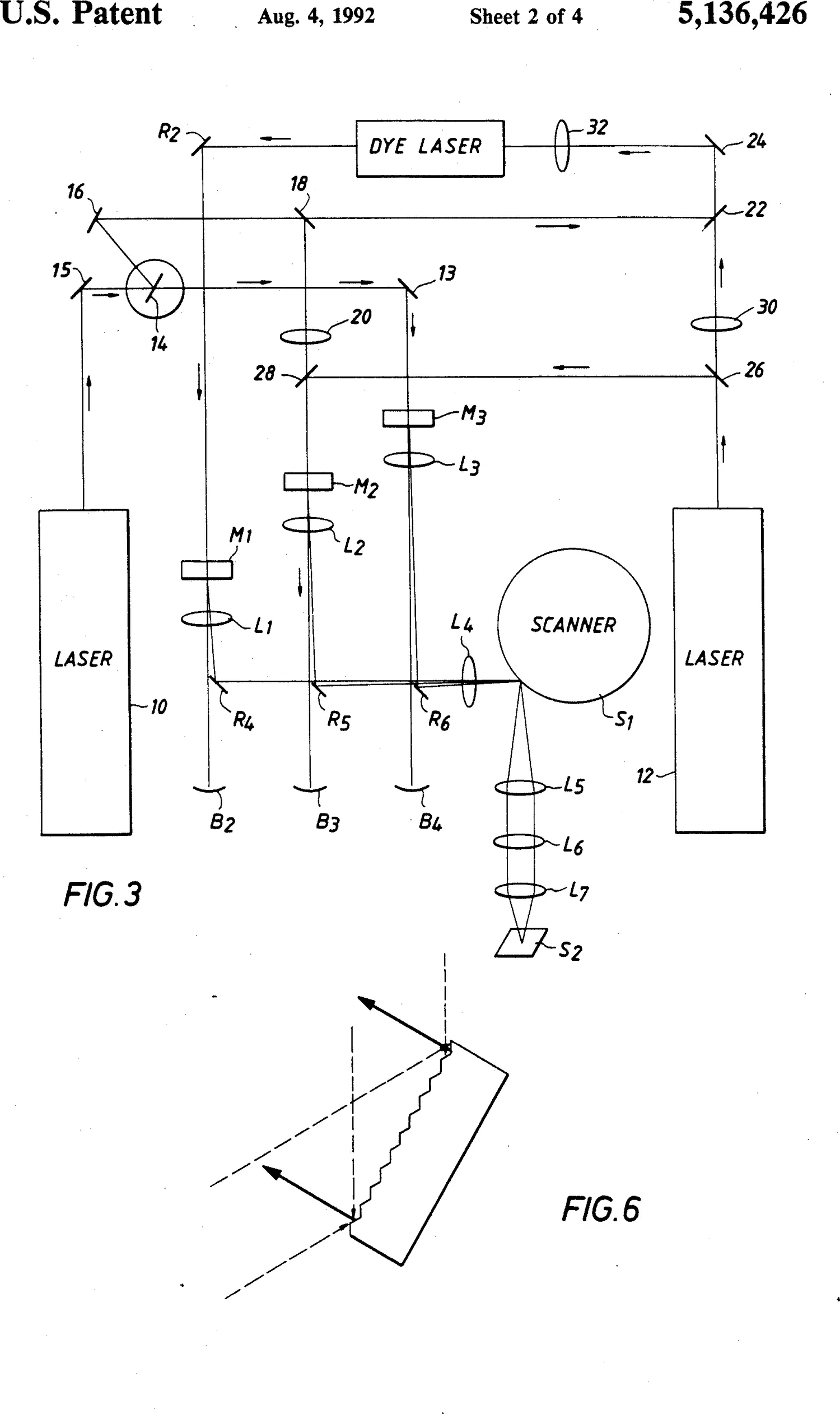
US 5,136,426
Laser Projection Apparatus
A way to build a large, full-color video image out of red, green, and blue laser light — combining and balancing the beams through an optical system so the projected picture is bright, sharp, and correctly colored.
View the patent →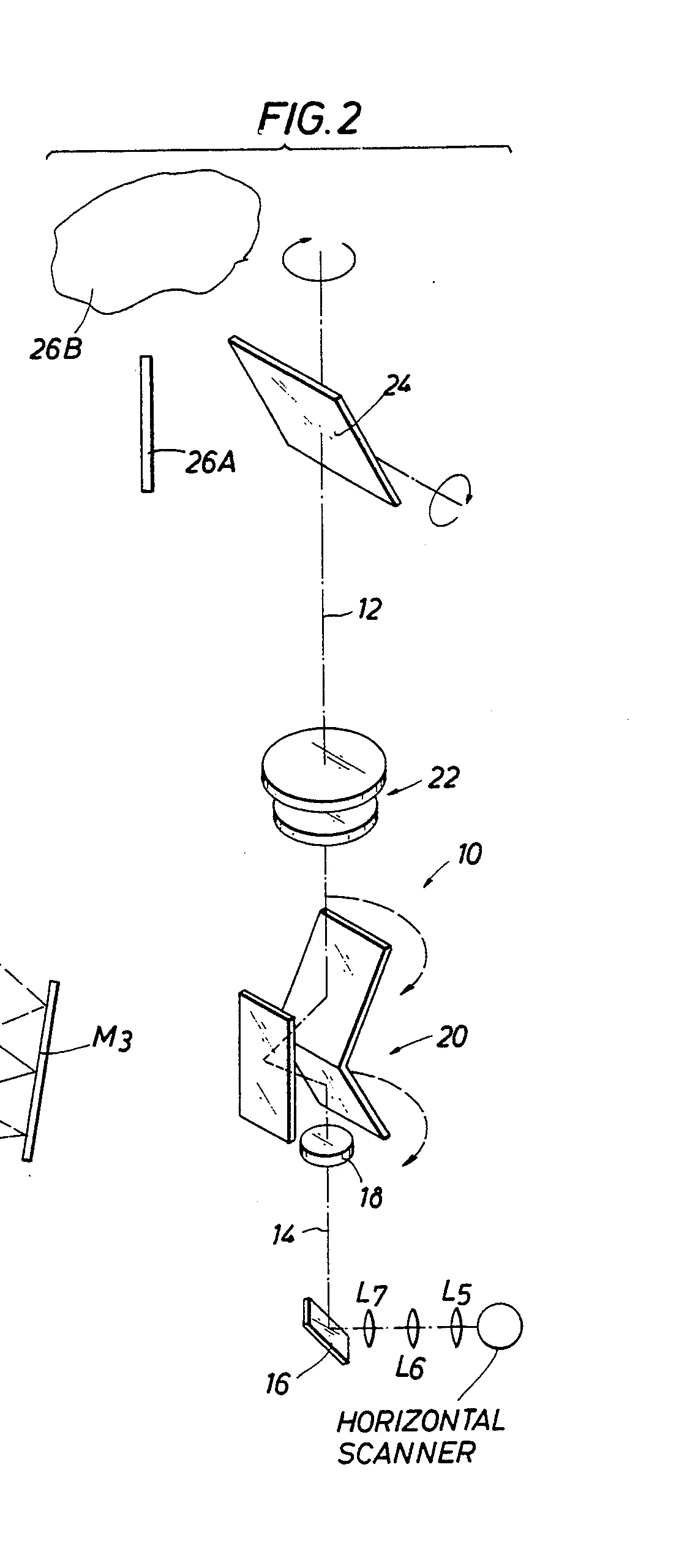
US 5,365,288
Image Mover
Once you can project a large laser image, you often want to move it — slide it across a wall, rotate it, or resize it — without physically moving the whole projector. This patent describes an optical assembly that steers and repositions the projected image itself.
View the patent →Clients
Where the work was seen
A sampling of the clients whose projects used Paul's laser systems — from corporate events and broadcast to entertainment and international installations, as listed on his own laservideo.com.